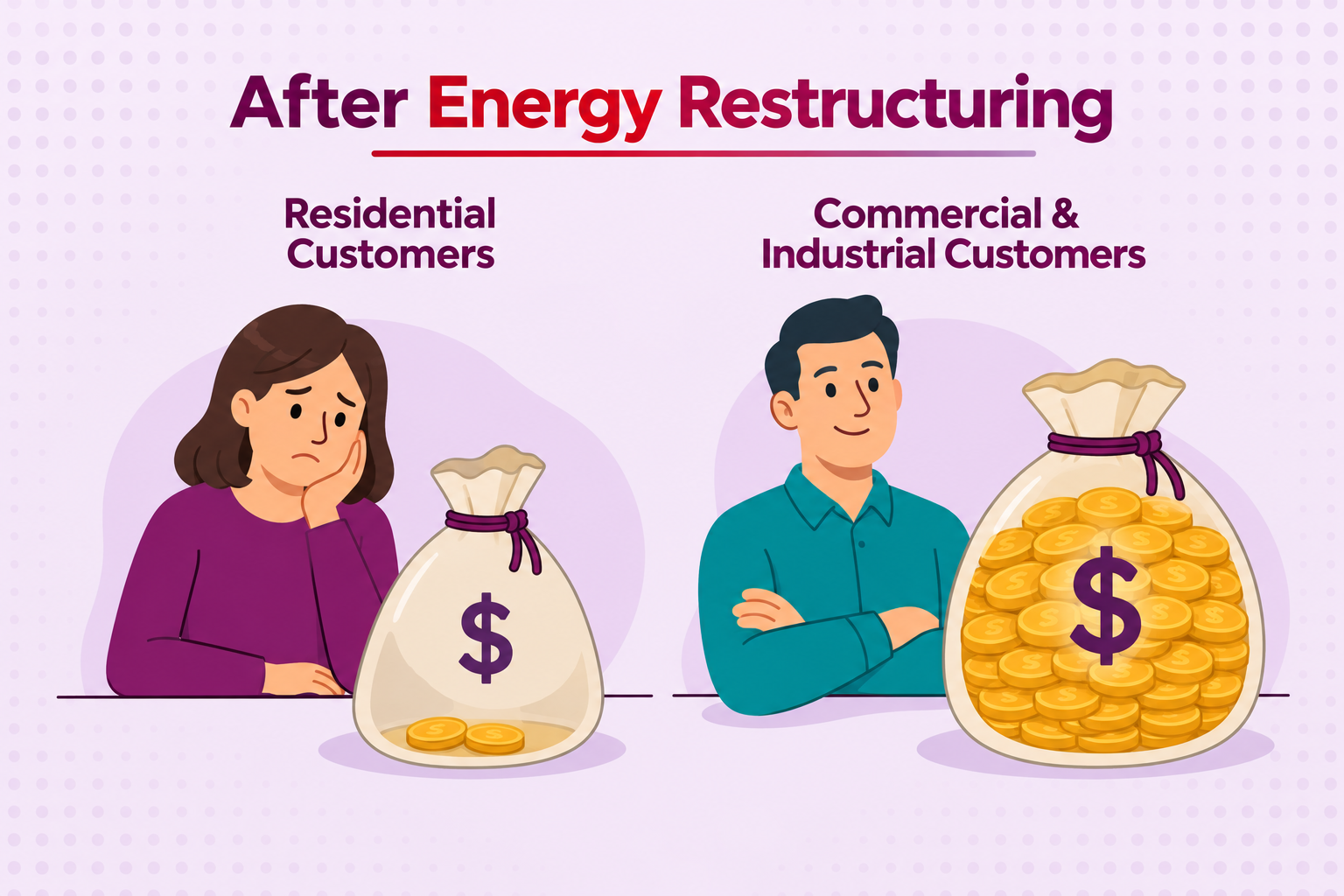
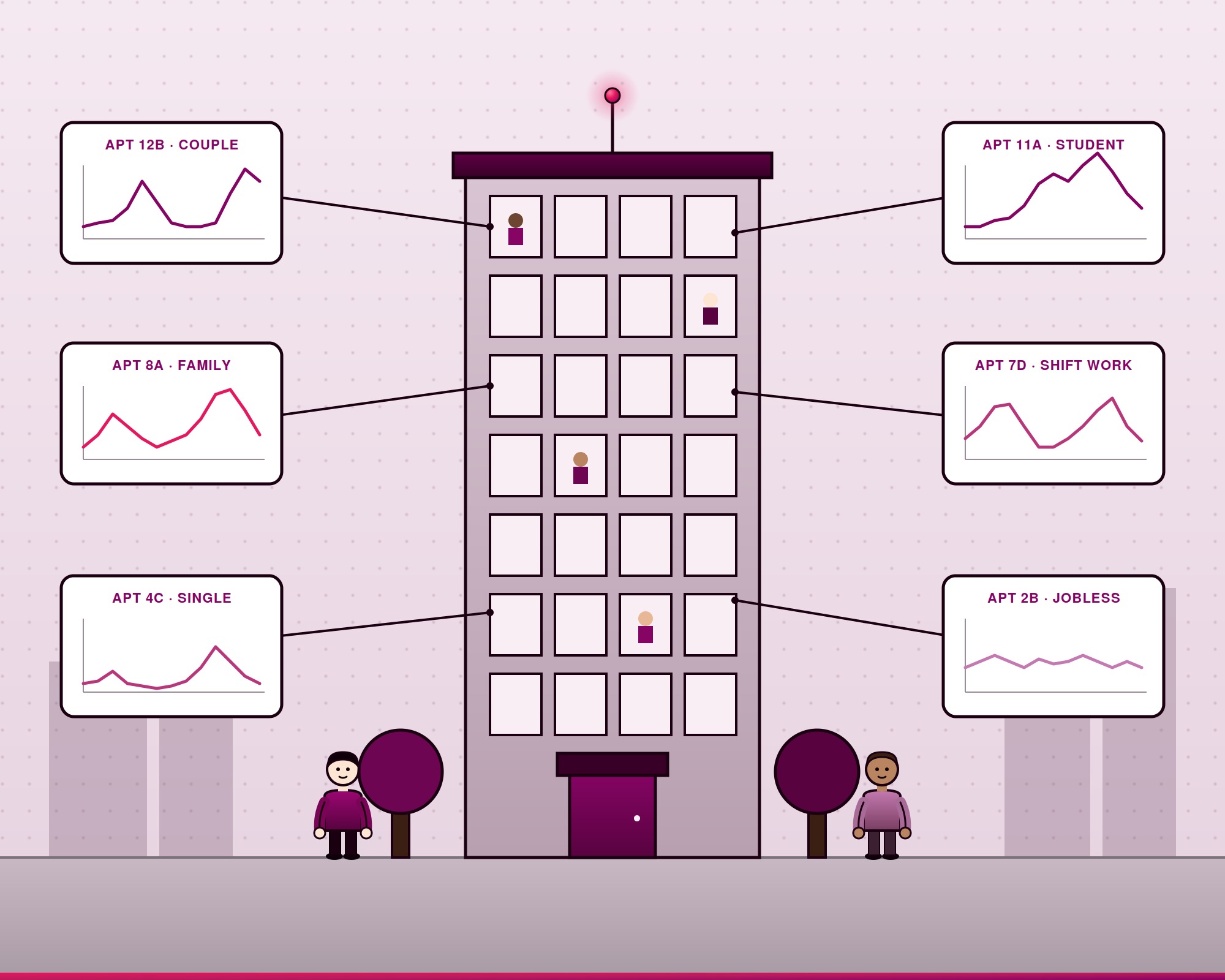
My previous blog showed that residential customers did not appear to benefit from electricity deregulation. But residential customers are only one part of the market — does the competitive market treat commercial and industrial customers the same way?
When states began “restructuring” their electricity markets in the late 1990s and early 2000s, the pitch to consumers was straightforward: let power companies compete for your business, the way phone or insurance companies do, and prices will fall. Nearly three decades later, with fifteen years of granular state-level EIA data now easy to pull apart, it’s worth asking plainly: did it work?
Anyone who has sat through a rate case has heard the complaint that cost-of-service regulation rewards spending. Build more, earn more. It is a fair complaint, and it is behind most of the reform energy in the industry right now, from performance incentives to multi-year rate plans to the various proposals to “break from cost of service” altogether.
But really, if it isn’t about cost, how do you price?
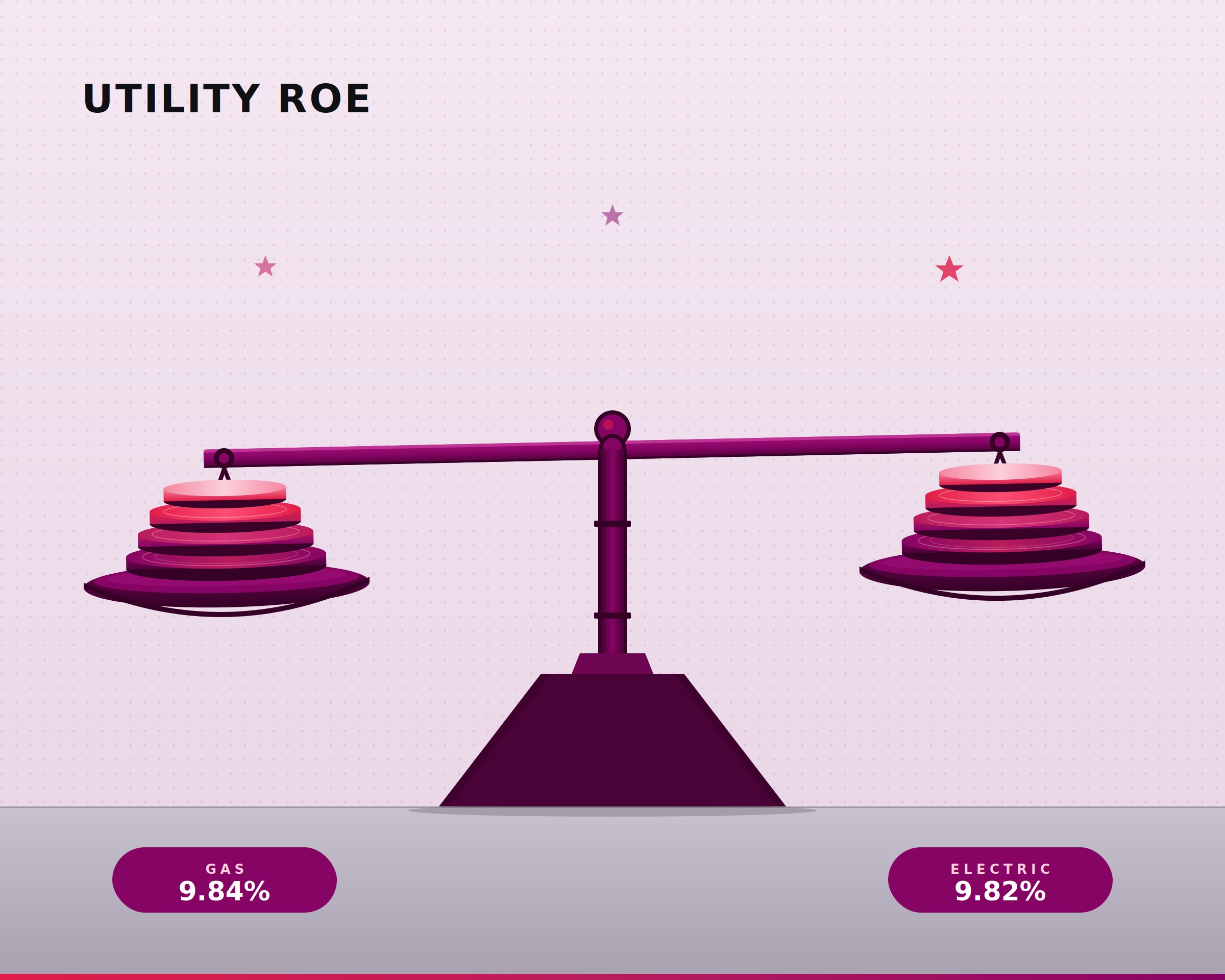
There is a puzzle buried in the latest round of US utility rate case decisions, and it cuts to the heart of how regulators price risk. Theory says higher-risk businesses should earn higher returns. The data from 224 PUC decisions — 115 electric and 109 gas — issued in the fifteen months to March 2026 broadly agrees. Up to a point. Then it gets complicated.
Move Fast, Wait Years: How Tech’s Urgency Is Colliding With Utility Time
April 30, 2026
Tech companies move in product cycles measured in months. The power grid operates on timelines measured in years, sometimes decades. That collision is now one of the defining investment stories in the utility sector, and the regulatory decisions being made right now will determine which utilities capture the opportunity and which ones watch it move to a different state…
What the 10-Ks Actually Say: 44 Utility Regulatory Fights That Didn’t Make the Earnings Deck
March 22, 2026
Every quarter, utility management teams present polished slides showing capital plan execution, constructive regulatory outcomes, and earned ROE trends. Every year, the 10-K tells a more complicated story…
Energy Affordability & Low-Income Customer Discounts
November 28, 2025
Used and Useful Meets Energy Affordability: When utilities offer special discounts to low-income customers, critics sometimes ask: Isn’t that unfair “discrimination”? Or, more legalistically: Doesn’t the “used and useful” rule mean everyone has to pay the same cost-based rate?
Transmission Interconnection Costs: Unpacking the Growing Network Burden
October 17, 2025
Grid Interconnection is a Critical Problem: The U.S. power grid is undergoing rapid transformation, with thousands of renewable energy projects awaiting interconnection. However, uncertainty around the cost and timing of interconnection remains a major bottleneck…
Submetering Across the U.S.: Regulatory Trends, Compliance Structures, and Conservation Impacts
July 17, 2025
The Legal Challenge of Submetering: Under the Public Utility Regulatory Policies Act (PURPA) and Federal Power Act, an “Electric Utility” is defined as: “Any person, state agency, or federal agency that sells electricity to end users” (16 U.S. Code § 2602(4))…
On Q1 investor calls, 40% of utilities see expansion opportunities driven by connecting data center load
May 7, 2025
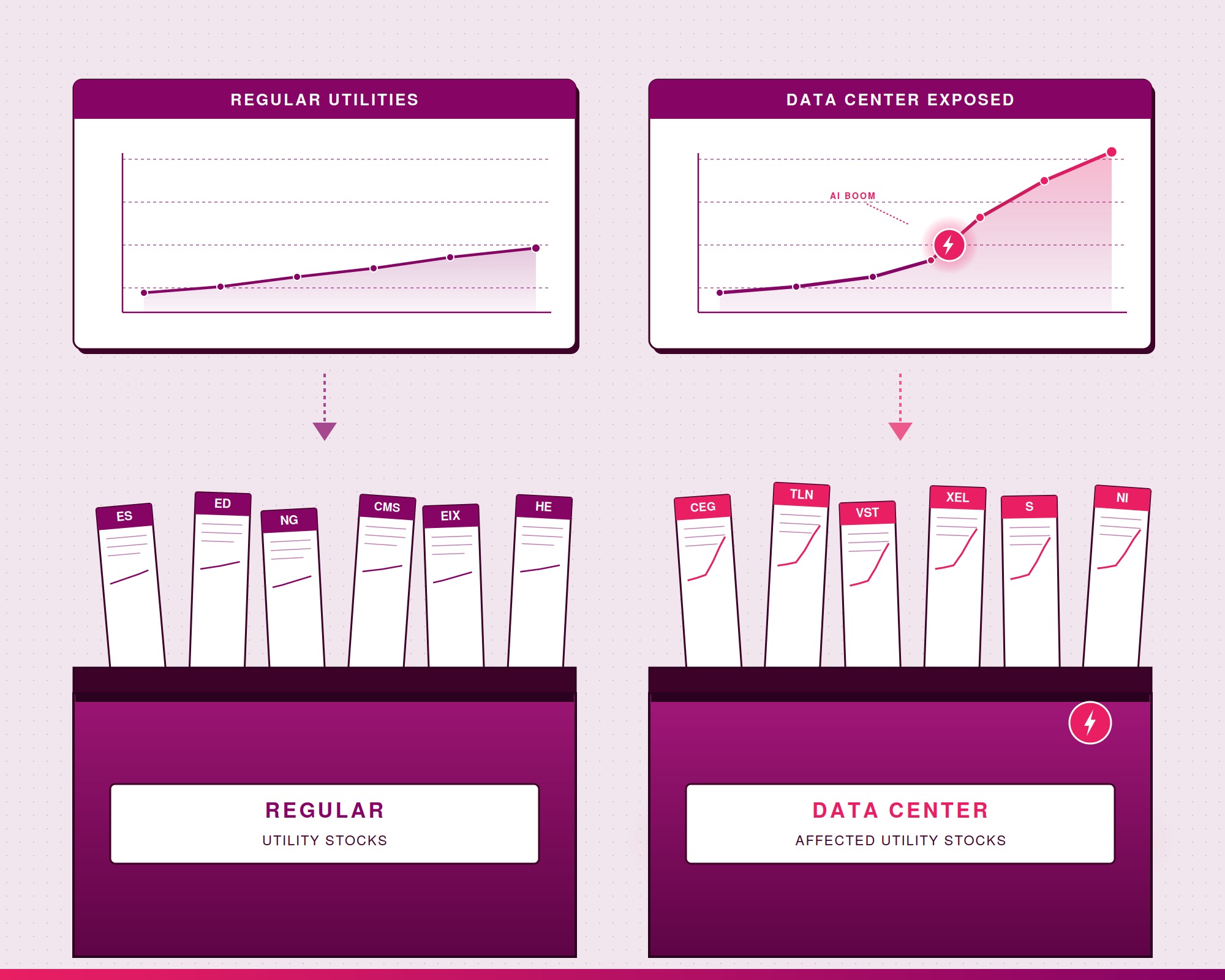
Utilities nationwide are feeling the effects of the AI revolution. Forty percent of utility Q1 investor presentations touted load growth potential from data centers. Many are noting inquiries from Google, Amazon, and Meta. Others demonstrated a track record and pipeline of new connections…
As seen on LaReg Corp’s docket tracker Kentucky Power Company (KPC, an AEP company) has filed an application with the Kentucky Public Service Commission, Case #2025-00031, requesting approval to defer approximately $11 million in extraordinary operations and maintenance (O&M) expenses resulting from two major storms on January 5 and February 15, 2025…